Industrial systems are optimized through advanced electrification solutions and intelligent energy management to improve efficiency, reduce costs, and enhance operational performance.
Custom Engineered System
Premium Quality Components
Safe & Reliable Installation
Reducing Industrial Energy Costs via Engineering, Not Estimates
Energy costs are one of the largest controllable expenses for manufacturers and industrial operators in Pakistan, and most facilities are losing a significant percentage of their spending to inefficiency rather than actual consumption.
Nat Solar’s industrial energy optimization services in Pakistan are built around measurement, analysis, and targeted intervention. We identify where energy is being wasted, quantify the financial impact, and implement the technical solutions that correct it.
Energy Efficiency Audit for Factories
Our energy efficiency audit for factories begins with a comprehensive baseline assessment: utility bill analysis, power quality logging, load profile mapping, motor and drive efficiency evaluation, and compressed air and HVAC system review, where applicable.
The audit output is a prioritized action plan with projected savings, implementation costs, and payback periods for each measure. An energy efficiency audit for factories done at this level gives management a clear, defensible basis for capital allocation decisions.
Industrial Power Factor Correction
Poor power factor is one of the most common and most costly inefficiencies in Pakistani industrial facilities. DISCO reactive power surcharges and maximum demand penalties can add 10 to 20 percent to a facility’s electricity bill without any corresponding productive output.
Nat Solar’s industrial power factor correction solutions, from fixed capacitor banks to automatic power factor correction panels, are sized and configured to the facility’s actual reactive load profile, delivering measurable bill reductions from the first month of operation.
Factory Power Backup and Solar System Integration
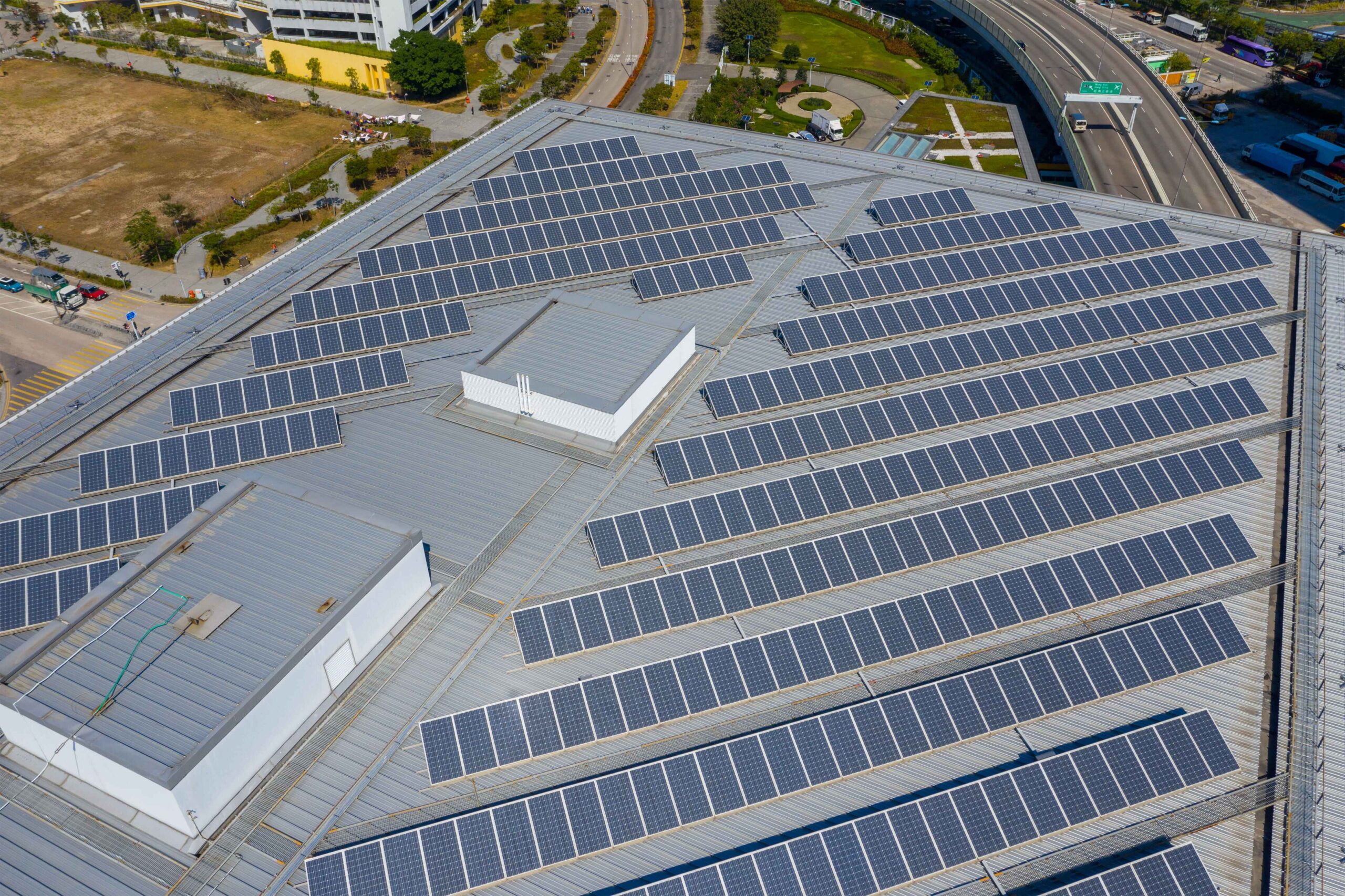
For manufacturing facilities that cannot afford supply interruptions, Nat Solar designs and implements integrated factory power backup and solar system solutions that combine on-site solar generation with battery storage and diesel genset coordination. The system is engineered to prioritize solar during generation hours, shift loads intelligently, and seamlessly transition to backup power during grid outages, all without manual intervention. Industrial electrification at this level is about building a facility that is genuinely resilient, not just theoretically self-sufficient.